
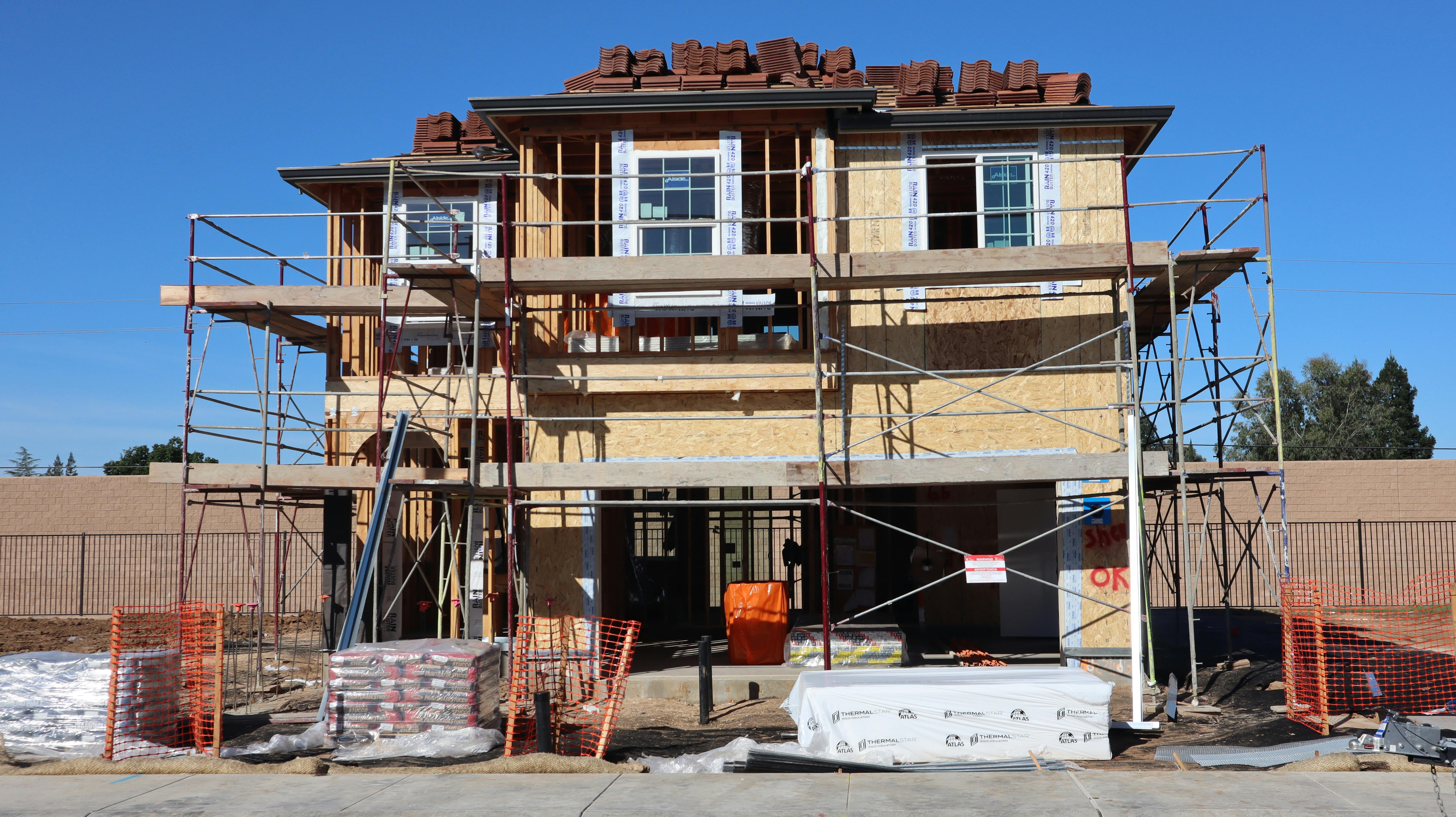
Embarking on a full-home renovation can feel overwhelming, especially when juggling design aspirations, budget constraints, and a complex schedule. Yet, with the right guidance, the process transforms from a daunting task into a rewarding journey that adds lasting value and comfort to a living space. By following a clear roadmap, leveraging proven strategies, and partnering with seasoned professionals, homeowners can streamline decisions, avoid common pitfalls, and achieve results that reflect both style and functionality.
Planning the Project: Laying a Strong Foundation
Successful renovations begin long before the first hammer swing. A comprehensive plan establishes realistic expectations and creates a roadmap that keeps every stakeholder aligned.
Key Steps in the Planning Phase
- Define objectives: List primary goals, whether it’s increasing resale value, improving energy efficiency, or creating an open-concept layout.
- Set a realistic budget: Include construction costs, permits, contingency funds (typically 10-15″?% of the total), and allowances for furnishings.
- Develop a timeline: Break the project into phases (design, demolition, construction, finishing) and allocate buffer periods for unexpected delays.
- Research regulations: Verify local building codes, zoning restrictions, and required permits to avoid costly re-work.
For a deeper dive into strategic planning, Discover expert strategies here provides actionable insights that align with industry best practices.
Design Collaboration: Turning Vision into Reality
Design is the bridge between aspirations and execution. Collaborating with architects, interior designers, and engineers ensures that aesthetics meet structural feasibility.
Effective Design Practices
- Utilize 3-D renderings to visualize spatial flow and material finishes before construction begins.
- Prioritize functional zones, kitchen work triangles, bathroom privacy, and living-area circulation.
- Incorporate sustainable materials and energy-saving fixtures to reduce long-term operating costs.
- Maintain a cohesive style palette to avoid a disjointed look across different rooms.
To explore how tailored design solutions can be integrated seamlessly, Learn about our tailored solutions offers case studies and practical recommendations.
Choosing the Right Contractors: Quality Meets Accountability
Selecting skilled contractors is pivotal for translating plans into solid construction. A thorough vetting process safeguards timelines, budgets, and workmanship quality.
Selection Checklist
- Verify licensing, insurance, and bonding status.
- Request a portfolio of completed full-home projects similar in scope.
- Check references and read online reviews for reliability and communication style.
- Obtain detailed written estimates that break down labor, materials, and contingency allowances.
For guidance on evaluating contractors and setting clear expectations, Explore advanced guides and tips provides a step-by-step framework.
Managing the Construction Phase: Staying on Track
During construction, proactive oversight prevents costly delays and ensures adherence to design intent.
Monitoring Techniques
- Schedule regular site visits, weekly walk-throughs help catch issues early.
- Maintain a change-order log to document scope adjustments and associated costs.
- Use project management software to track milestones, deliverables, and budget spend.
- Communicate openly with the lead contractor about any concerns or modifications.
For a practical checklist that aligns with daily site management, Find out more about this approach offers templates and expert commentary.
Final Walk-Through and Post-Renovation Care
Completing the renovation is not the end of the process; a thorough final inspection guarantees that every detail meets expectations.
Closing Steps
- Conduct a punch-list walk-through to identify minor touch-ups or unfinished items.
- Obtain all warranties, operation manuals, and as-built drawings from contractors.
- Schedule a post-occupancy evaluation after a few weeks of use to address any lingering issues.
- Implement a maintenance plan for HVAC, plumbing, and finishes to preserve the investment.
Additional resources on post-renovation best practices are available at Explore advanced guides and tips, ensuring long-term satisfaction and performance.
Conclusion: Simplifying Full-Home Renovations Through Expert Guidance
Transforming an entire home need not be an overwhelming endeavor. By establishing a solid plan, collaborating with design professionals, selecting reputable contractors, and maintaining vigilant oversight throughout construction, homeowners can navigate the complexities with confidence. Leveraging the expertise found at trusted resources, such as the comprehensive insights offered at Discover expert strategies here, makes the journey smoother, more predictable, and ultimately more rewarding. With disciplined execution and informed decision-making, a full-home renovation becomes a strategic investment that enhances livability, efficiency, and market value.
