
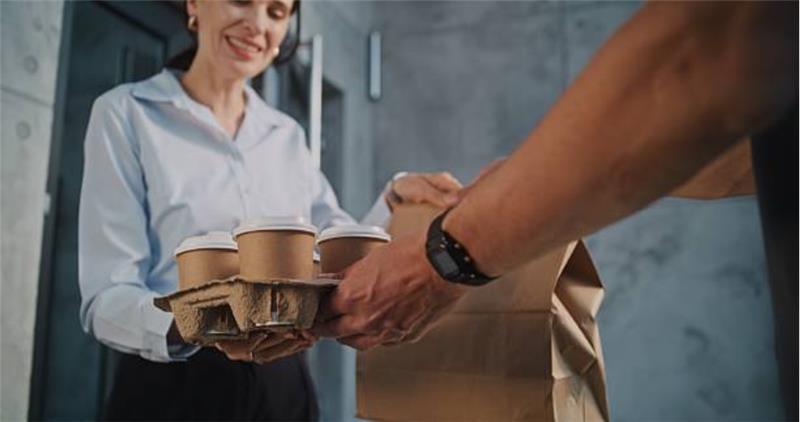
In bustling airports, conference centers, and stadiums, the demand for a quick, high-quality caffeine fix can overwhelm traditional coffee stations. Operators need a solution that delivers consistency, speed, and flavor without sacrificing the experience of a freshly brewed cup. This guide explores practical, instant-brewing strategies that keep lines moving and customers satisfied, focusing on equipment selection, workflow optimization, and service-area design that together create a reliable coffee ready to go system for any high-traffic venue.
Choosing the Right Instant Brewing System
The foundation of any efficient coffee service is the equipment. Modern instant brewing units combine the convenience of pre-measured pods or capsules with the aroma and crema of freshly brewed coffee. When selecting a system, consider the following criteria:
- Throughput capacity: Look for machines rated for 60-120 cups per hour to match peak traffic.
- Temperature stability: Consistent water temperature (around 195-205??F / 90-96??C) ensures optimal extraction.
- Ease of maintenance: Quick-release brew heads and automatic cleaning cycles reduce downtime.
- Modular design: Units that can be stacked or linked allow scaling without major renovations.
A well-chosen Coffee dispenser for events can act as the backbone of a portable bar, delivering brewed coffee for events that tastes as good as a caf?? brew while keeping line times under two minutes.
Optimizing Workflow for Speed and Consistency
Pre-service Preparation
- Stock a minimum of three days’ worth of coffee pods to avoid last-minute shortages.
- Calibrate the grinder or pod dispenser each morning; a 0.5-second variance can affect flavor.
- Set up a dedicated water filtration station to guarantee clean, mineral-balanced water.
During Service
- Assign one staff member to operate the dispenser while another handles payment and cup distribution.
- Use clear signage that differentiates size options and specialty drinks to reduce order confusion.
- Implement a “ready-to-go” lane where customers can grab pre-filled cups for a faster checkout.
Post-service Maintenance
- Run a cleaning cycle after each peak period; this prevents oil buildup that can taint flavor.
- Inspect seals and gaskets weekly; worn parts are a common cause of leaks in high-usage environments.
- Log usage data to predict when consumables (filters, pods, cleaning tablets) need replenishment.
Designing the Service Area for High Foot Traffic
A well-planned layout reduces bottlenecks and enhances the overall customer experience. Consider these design principles:
- Clear traffic flow: Position the dispenser at the end of the queue, allowing customers to move forward while their drink is prepared.
- Visible equipment: Open-front machines showcase the brewing process, reinforcing the perception of freshness.
- Strategic signage: Use concise, high-contrast graphics that guide guests to the “grab-and-go” station.
- Accessible power: Ensure sufficient outlets and backup generators for uninterrupted operation.
Menu Crafting for Instant Brew Environments
Even with instant technology, a thoughtful menu can elevate the offering. Keep the list concise but varied, focusing on popular choices that translate well from pod to cup.
- Classic coffee to go – a medium roast with balanced acidity.
- Dark roast espresso shot – perfect for a quick energy boost.
- Seasonal flavored blends (e.g., pumpkin spice, caramel drizzle) – add a limited-time appeal.
- Non-dairy alternatives – pre-filled oat or almond milk cartridges for convenience.
By limiting the menu to five or six core items, staff can maintain speed while still providing enough choice to satisfy diverse palates.
Training Staff for Consistency and Speed
Even the best equipment falters without knowledgeable operators. A short, focused training program should cover:
- Machine startup and shutdown procedures.
- Proper pod insertion and cup placement techniques.
- Customer interaction scripts that emphasize speed without sounding rushed.
- Basic troubleshooting (e.g., jammed pods, low water pressure).
Regular refresher sessions, especially before major events, keep the team sharp and reduce the likelihood of service hiccups.
Measuring Success and Continuous Improvement
Key performance indicators (KPIs) help gauge the effectiveness of an instant brewing setup. Track the following metrics:
- Average service time: Aim for under 90 seconds per cup during peak periods.
- Customer satisfaction scores: Use QR-code surveys placed on cup lids.
- Waste reduction: Monitor discarded pods and adjust inventory accordingly.
- Revenue per square foot: Compare sales data before and after implementing the instant system.
Analyzing these data points enables fine-tuning of inventory, staffing, and equipment settings, ensuring the venue remains competitive in the fast-paced hospitality market.
Conclusion
Implementing a reliable coffee on the go solution transforms a high-traffic venue from a bottleneck into a seamless part of the guest journey. By selecting the right instant brewing system, optimizing workflow, designing an efficient service area, curating a focused menu, and investing in staff training, operators can deliver consistent, high-quality coffee quickly and profitably. The result is a satisfied clientele, smoother operations, and a measurable boost in revenue, proof that the right approach to instant coffee can be as sophisticated as any traditional brew.
