
Family offices present a new pipeline of financing to medical technology companies raising capital to drive innovation, clinical and regulatory advancements and commercialization. Family offices are different from traditional venture capital firms in that they can deploy private family capital and may be more flexible in timing investments and exits. Founders should be aware of these differences to build out better financing strategies and relationships.
Insights shared through LSI Europe, a partnering summit for the emerging Medtech industry, highlight an important principle: successful fundraising begins with building trust well before a company officially opens its next investment round.
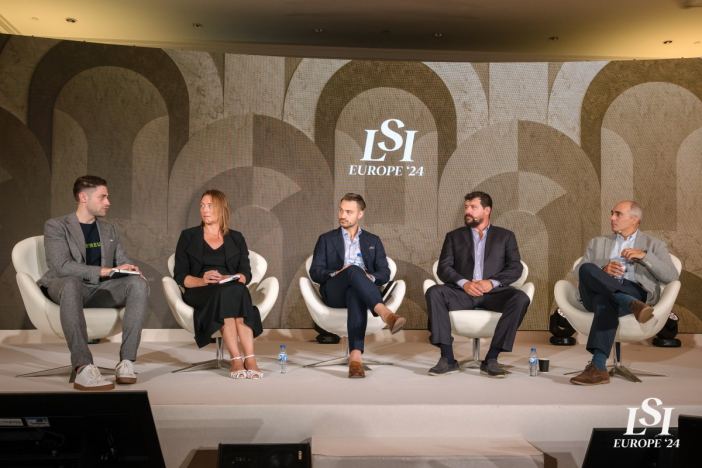
Why Family Offices Can Be Valuable Medtech Investors
There is usually a significant lead time for developing a medical device before a company can start generating significant revenue Clinical trials, approval by the regulatory bodies, getting the manufacturing line ready, reimbursement plan and finally launching in the market.
Venture funds typically have specified time frames for investment and profit returns. Family offices may be able to take a longer view on investing in a company, where the technology serves an important clinical need and there’s a solid business case.
By allowing them to be flexible, Med Tech founders can focus on building the product, earning clinical data and creating a sustainable business without all roads leading to a quick exit.
Build Trust Through Warm Investor Introductions
Investments in family offices generally evolve around the relationship. Most opportunities for family office investments come through industry contacts, advisers and other Co-investors, rather than traditional applications for unsolicited investments.
In conversations with LSI Europe, CG Health has noted the value of existing investor networks for project identification, said Prieto.
Further, successful founders are building relationships with seasoned executives, physicians, board members, investors and strategic partners in the industry to gain credibility. Regular interaction and delivery on commitments also establish credibility and increase the likelihood of gaining introductions.
Attending industry events like LSI Europe allows founders to network with investors, corporate development teams and other strategic partners with an appreciation for what it takes to commercialize medical technology.
Understand the Family Behind the Investment
Family offices don’t always have official mandates for investing. These can be driven by the family members’ own experiences or previous investments, or they may have regional or clinical improvement drivers.
Prior to consulting a family office, founders should do some background on the family office and its investment record and have an idea of what drives its investments.
Consider these questions:
- Which clinical areas or medical technologies has the family supported previously?
- What companies are already included in its investment portfolio?
- Does the family prefer local opportunities or international investments?
- What business outcomes and investment horizons matter most to its decision makers?
This preparation helps founders explain why their technology aligns with the investor’s interests. It also makes the conversation more relevant and demonstrates a thoughtful approach to partnership development.
Explore Flexible Investment Structures
Family offices could be in a position to negotiate investment terms which take into account a company’s maturity and values. As they don’t have the same lifecycle pressures as other fund investors, they may be more open to varied ideas on time horizons, growth targets and exit routes.
But flexibility is different for investors. The founders must be able to assess each proposed deal very carefully in relation to valuation, governance, ownership, future financing needs and exit provisions.
The aim is to form a partnership that will assist the company in its growth, but still provide investors with a fair chance to reach their investment goals.
Connected Medical Devices Create Long Term Opportunities
Connected medical devices incorporate hardware in addition to software, digital health infrastructure, AI, and clinical data to assist in remote monitoring, share information, and enhance decision making.
However, it is often difficult to prove the clinical benefit and reach productization.
Founders developing connected medical devices should communicate both the clinical opportunity and the practical challenges associated with bringing their products to market. Investors need to understand how the technology addresses an unmet need, how its benefits will be measured, and what milestones will support future growth.
Combine Patient Capital With Professional Governance
Longer term investment horizons do not remove the demand for accountability. Family offices may require more sophisticated performance metrics, detailed reporting and stronger board oversight.
Founders should create a routine for investor updates, share risks openly, and tell investors how the business is dealing with setbacks. It is important to keep confidence up, even if the clinical timelines are delayed or commercialization delayed.
It builds the foundations for future fundraising and strategic partnerships.
Five Steps to Improve Your Fundraising Strategy
1. Build relationships early. Connect with relevant investors before capital becomes urgently needed.
2. Research each family office. Understand its portfolio, investment interests, and preferred development stages.
3. Present a credible business case. Explain the clinical need, commercial opportunity, milestones, and capital requirements.
4. Seek trusted introductions. Work with existing investors, advisers, physicians, and experienced executives who can establish credibility.
5. Focus on long term alignment. Evaluate whether an investor can support the company beyond its immediate financing round.
Connect With Medtech Investors Through LSI Europe
More than a good pitch is required to attract the appropriate investor. Founders require opportunities to build relationships, share their vision, and find investors that have goals compatible to that of the company’s future.
About LSI Europe LSI Europe introduces new Med Tech companies to investors, family offices, strategic companies and industry leaders. Through its partnering program, founders have the chance to meet the right people and build connections that could lead to financing and commercialization down the line.
Looking Ahead
Funding from a family office offers an alternative, to the Med Tech venture capital route, when development needs to be considered with a more patient, disciplined and long term view. Understanding investors’ priorities, developing trusting relationships and keeping sound, professional governance can help founders work successfully with them.
Visit LSI Europe to engage with the investment ecosystem funding the future of emerging medical technology and to learn more about how to accelerate your company.
