
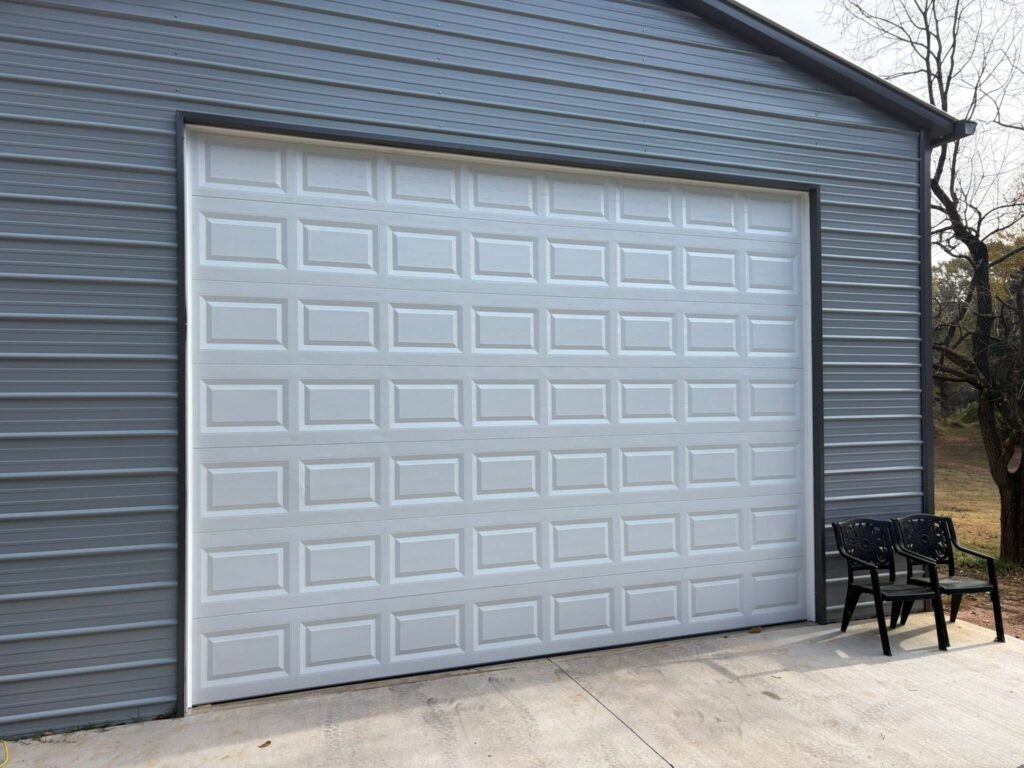
When a garage door malfunctions, the temptation to grab a toolbox and tackle the problem yourself can be strong. However, the intricacies of modern garage door systems, ranging from sophisticated spring mechanisms to electronic safety sensors, often demand more than a basic DIY approach. Professional garage door contractors bring a blend of technical expertise, safety compliance, and industry-specific tools that set them apart from the average homeowner’s repair attempts. Understanding these differences helps homeowners make informed decisions, avoid costly setbacks, and keep their property secure.
Technical Knowledge and Certification
Garage doors are not merely large panels; they are engineered systems that must meet strict safety standards. Certified technicians possess:
- Formal training on spring dynamics, torsion vs. extension systems, and balance calculations.
- Up-to-date knowledge of local building codes and OSHA regulations.
- Manufacturer-approved certifications that qualify them to work on warranty-protected doors.
Choosing a reputable garage door company ensures that the work is performed by individuals who have met these rigorous criteria, reducing the risk of improper installation or repair.
Specialized Tools and Equipment
DIY enthusiasts often rely on generic hand tools, which can be insufficient, and dangerous, when dealing with high-tension springs or motorized openers. Professionals use:
- Spring winding bars and torque wrenches calibrated for specific spring weights.
- Digital alignment devices for precise sensor placement.
- Heavy-duty lifts and safety rigs that keep the door stable during component replacement.
These tools not only speed up the repair process but also protect the homeowner from potential injuries. A seasoned garage door contractor can assess the situation quickly and apply the right equipment without guesswork.
Safety First: Compliance and Liability
Understanding Safety Sensors
Modern doors are equipped with photo-electric sensors that stop the door if an object is detected. Improper adjustment can lead to:
- Failure to stop, causing personal injury.
- Repeated error codes that drain the opener’s battery.
Professionals test sensor alignment with calibrated meters, ensuring compliance with the Consumer Product Safety Commission (CPSC) guidelines. This level of diligence is rarely achievable with a standard screwdriver and a YouTube tutorial.
Warranty Protection
Most manufacturers require that any service be performed by an authorized garage door services provider to keep the warranty valid. DIY repairs can inadvertently void coverage, leaving the homeowner responsible for future replacement costs.
Comprehensive Diagnostic Approach
Instead of treating symptoms in isolation, seasoned technicians perform a full system evaluation. This includes:
- Checking door balance using a level and a weight measurement.
- Inspecting the opener’s drive train, belt, or chain for wear.
- Testing the remote control’s frequency and battery health.
- Reviewing the door’s weatherstripping for energy efficiency.
A thorough diagnosis often reveals underlying issues that a DIY fix would miss, such as a cracked spring that could snap under load or a misaligned track that will cause premature wear.
Cost-Effectiveness Over Time
While a DIY fix may appear cheaper upfront, hidden costs can quickly accumulate:
- Incorrectly installed springs may break, requiring replacement of both springs and the opener.
- Repeated service calls due to incomplete repairs.
- Potential liability from accidents caused by unsafe installations.
Investing in a qualified garage door company near me often results in a one-time, reliable solution that extends the life of the entire system, delivering better value in the long run.
Customer Support and Ongoing Maintenance
Professional services typically include:
- Scheduled maintenance plans that catch wear before failure.
- Emergency response options for sudden breakdowns.
- Documentation of service history for future reference or resale value.
These benefits create a partnership rather than a one-off transaction, ensuring that the garage door continues to operate safely and efficiently for years to come.
When DIY Might Be Appropriate
Not every garage door issue requires a contractor. Simple tasks that homeowners can safely perform include:
- Cleaning tracks and lubricating rollers with a silicone-based spray.
- Replacing worn remote batteries.
- Adjusting the opener’s force settings according to the manufacturer’s manual.
Even in these cases, consulting the user guide or a knowledgeable garage door contractor before beginning ensures that the fix aligns with safety standards.
Conclusion
The distinction between professional garage door contractors and DIY fixes lies in expertise, safety, equipment, and long-term cost considerations. While minor maintenance can be handled by a confident homeowner, most repair scenarios benefit from the precision and assurance that only trained specialists provide. By partnering with an experienced garage door services provider, homeowners protect their investment, maintain compliance with safety regulations, and enjoy the peace of mind that comes from knowing the job is done right the first time.
