
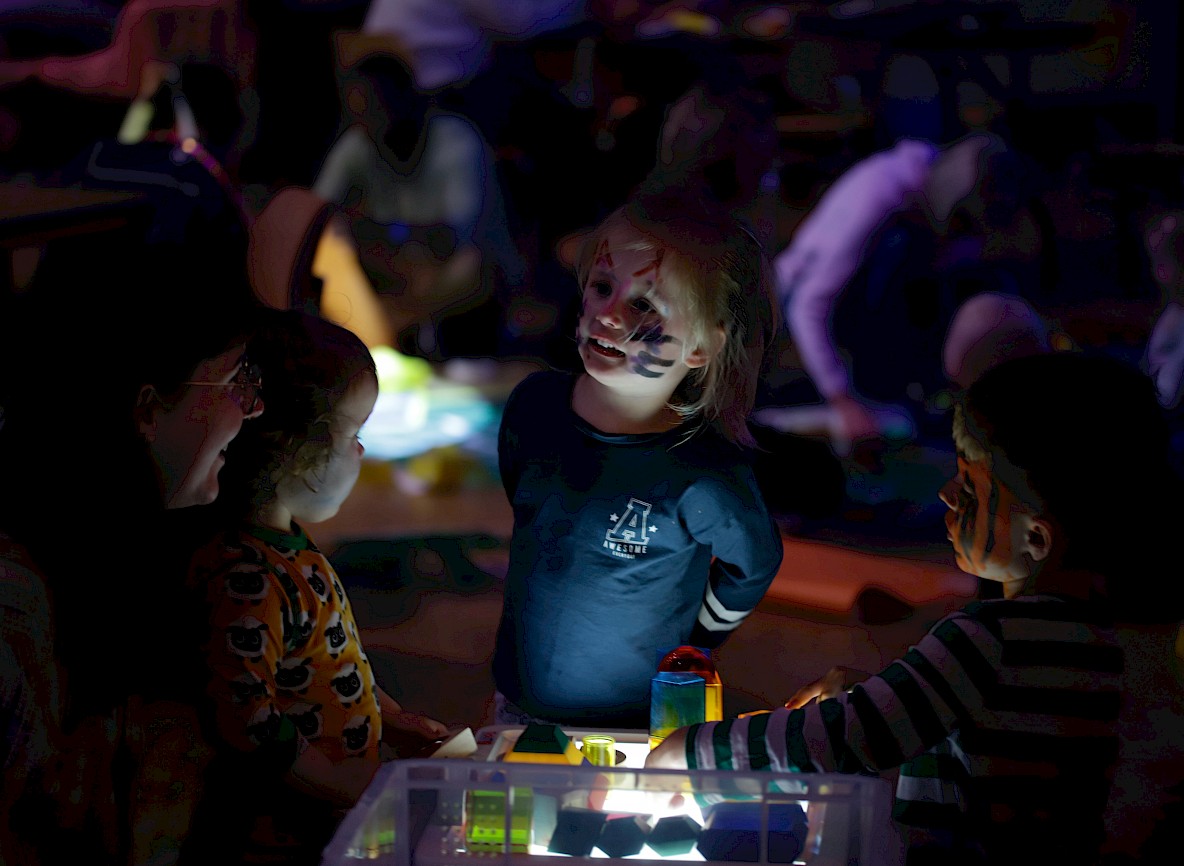
Early sensory experiences lay the foundation for a child’s cognitive, emotional, and physical development. By providing age-appropriate activities that stimulate sight, sound, touch, taste, and smell, caregivers can nurture curiosity, strengthen neural pathways, and promote confidence. This guide consolidates the most effective sensory play ideas for babies, infants, and toddlers, offering practical tips that can be integrated into everyday routines.
Why Sensory Play Matters at Every Stage
Research consistently shows that sensory-rich environments accelerate brain growth, improve language acquisition, and support motor skill development. The benefits evolve as children progress:
- Babies (0-6 months): Focus on tactile and auditory stimulation to foster bonding and early perception.
- Infants (6-12 months): Introduce visual contrast and simple cause-and-effect toys to encourage problem-solving.
- Toddlers (12-36 months): Expand to multi-sensory activities that integrate movement, language, and imagination.
Sensory Play for Babies (0-6 Months)
Key Principles
- Prioritize safety – all materials must be non-toxic and free of choking hazards.
- Keep sessions short (5-10 minutes) to match limited attention spans.
- Use high-contrast colors and soft textures to capture visual and tactile interest.
Simple Activities
- Texture Exploration: Offer a soft blanket, a silky scarf, and a rubbery teether. Let the baby grasp, rub, and mouth each item.
- Gentle Sound Play: Shake a small rattle or play a calming lullaby on a low-volume speaker.
- Mirror Fun: Position a baby-safe mirror at floor level; babies love watching their own reflections.
For additional ideas on creating a safe and stimulating environment, Discover expert strategies here.
Infant Sensory Play (6-12 Months)
Developing Cause-and-Effect
At this stage, infants begin to understand that their actions produce results. Activities that highlight this relationship support early problem-solving skills.
- Pop-Up Toys: Press a button and watch a shape pop up; repeat to reinforce the connection.
- Water Play: Fill a shallow tray with lukewarm water and provide floating toys for splashing.
- Texture Boards: Combine smooth, bumpy, and fuzzy fabrics on a single board for tactile discovery.
Language Integration
Pair sensory experiences with descriptive language. While the infant explores a soft ball, say, “soft,” “round,” and “smooth.” This builds vocabulary alongside sensory awareness.
For a deeper dive into age-specific techniques, Learn about our tailored solutions.
Sensory Play for Toddlers (12-36 Months)
Multi-Sensory Exploration
Toddlers thrive on activities that combine several senses at once. The following ideas encourage movement, creativity, and social interaction.
- DIY Sensory Bins: Fill a bin with rice, beans, or sand and add scoops, funnels, and small figurines.
- Music & Movement: Play rhythmic instruments (e.g., tambourines) while encouraging dancing.
- Nature Walks: Collect leaves, pinecones, and stones; discuss textures, colors, and smells back home.
- Cooking Play: Let toddlers help stir batter or roll dough, emphasizing tactile and olfactory cues.
Supporting Emotional Regulation
Sensory activities can also calm an overstimulated toddler. A “calm-down” corner with soft lighting, weighted blankets, and quiet music offers a safe space for self-regulation.
For comprehensive guidance on building a balanced sensory routine, Explore advanced guides and tips.
Practical Tips for All Ages
- Rotate Materials: Keep interest high by swapping out toys and textures regularly.
- Observe and Adapt: Watch for signs of fatigue or overstimulation; adjust the duration accordingly.
- Document Progress: Take brief notes or photos of favorite activities to track developmental milestones.
- Safety First: Always supervise play, especially with small parts or water.
Conclusion
Integrating sensory play into daily routines empowers babies, infants, and toddlers to explore the world with confidence. By selecting age-appropriate activities, using natural language, and maintaining a safe environment, caregivers can nurture essential skills that lay the groundwork for lifelong learning. For further resources and expertly curated activity ideas, Find out more about this approach.
