
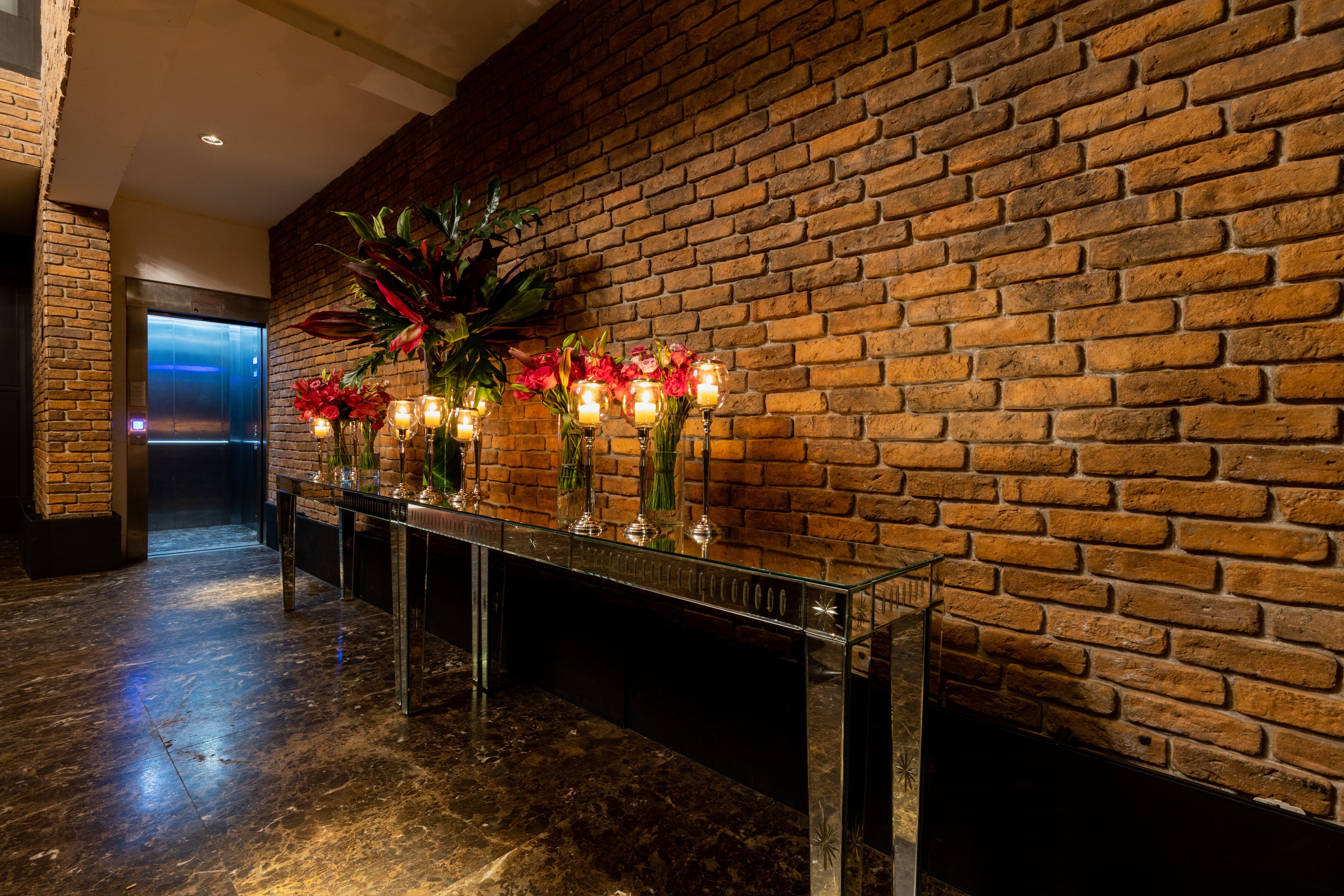
In today’s competitive landscape, the physical environment of a workplace has become a strategic asset rather than a mere backdrop. Thoughtful design can boost employee morale, foster collaboration, and reinforce brand identity, all while optimizing space utilization and operational efficiency. By exploring innovative layout concepts, material selections, and technology integrations, businesses can create environments that inspire productivity and reflect a forward-thinking culture.
Key Principles of Modern Workplace Design
Effective design balances aesthetics with functionality. The following principles serve as a foundation for any successful office transformation:
- Flexibility: Modular furniture and adaptable zones allow spaces to evolve with changing team sizes and project needs.
- Biophilic Elements: Incorporating natural light, greenery, and organic materials improves well-being and reduces stress.
- Technology Integration: Seamless connectivity, smart lighting, and acoustic solutions support hybrid work models.
- Brand Alignment: Visual cues, color palettes, textures, and artwork, reinforce corporate values without overwhelming the space.
Design Solutions for Different Business Needs
Open-Plan Collaboration Zones
Open areas encourage spontaneous interaction, yet they must be balanced with acoustic control to prevent noise fatigue. Consider the following tactics:
- Acoustic panels disguised as art installations.
- Movable whiteboards and writable walls for idea sharing.
- Adjustable lighting zones that shift from bright to ambient based on activity.
For a deeper dive into collaborative layout strategies, Discover expert strategies here.
Focused Work Pods
Quiet, enclosed pods provide employees with a retreat for deep work. Key features include:
- Sound-absorbing interiors with ergonomic seating.
- Integrated power outlets and USB ports for device charging.
- Glass walls that maintain visual openness while containing sound.
To explore how focused environments can be customized, Learn about our tailored solutions.
Wellness-Centric Spaces
Health-focused areas such as meditation rooms, fitness corners, and nutrition stations reinforce a culture of care. Effective implementations often feature:
- Natural materials like reclaimed wood and stone.
- Plants that improve air quality and add visual calm.
- Adjustable temperature and humidity controls.
Read more about integrating wellness into design by Explore advanced guides and tips.
Material and Color Strategies
Choosing the right finishes can dramatically affect perception and durability. Here are some recommendations:
- Eco-friendly Flooring: Bamboo or cork reduces environmental impact while offering comfort underfoot.
- Accent Walls: Use bold colors or textured panels to highlight brand personality without dominating the entire space.
- Glass Elements: Frosted or tinted glass adds privacy and modernity while preserving light flow.
For additional material insights, Find out more about this approach.
Technology Integration for Hybrid Work
Hybrid models demand spaces that support both in-person and remote collaboration. Effective tech integration includes:
- High-definition video conferencing equipment embedded in meeting rooms.
- Wireless charging stations throughout common areas.
- Smart sensors that adjust lighting and temperature based on occupancy.
Guidance on future-proofing office tech can be found by Discover expert strategies here.
Implementation Roadmap
Transitioning to a redesigned workplace requires careful planning. Follow this step-by-step roadmap to ensure a smooth rollout:
- Assessment: Conduct surveys and space audits to identify pain points and opportunities.
- Concept Development: Create mood boards and 3D renderings that align with brand values.
- Prototype Testing: Set up pilot zones to gather feedback before full deployment.
- Phased Rollout: Implement changes in stages to minimize disruption.
- Evaluation: Measure impact on productivity, employee satisfaction, and space utilization.
Detailed guidance on each phase is available at Learn about our tailored solutions.
Measuring Success
Quantifying the impact of design investments helps justify future projects. Consider these metrics:
- Employee engagement scores before and after redesign.
- Utilization rates of collaborative vs. quiet zones.
- Energy consumption trends linked to smart lighting and HVAC controls.
- Turnover and recruitment statistics influenced by workplace reputation.
For case studies illustrating measurable outcomes, Explore advanced guides and tips.
Conclusion
Investing in unique workplace design solutions is no longer optional, it is a strategic imperative that drives performance, enhances well-being, and differentiates a brand in the talent market. By applying the principles, materials, and technology outlined above, businesses can craft environments that adapt to evolving work styles while reinforcing their core identity. Continuous evaluation ensures that the space remains a catalyst for innovation and success.
