
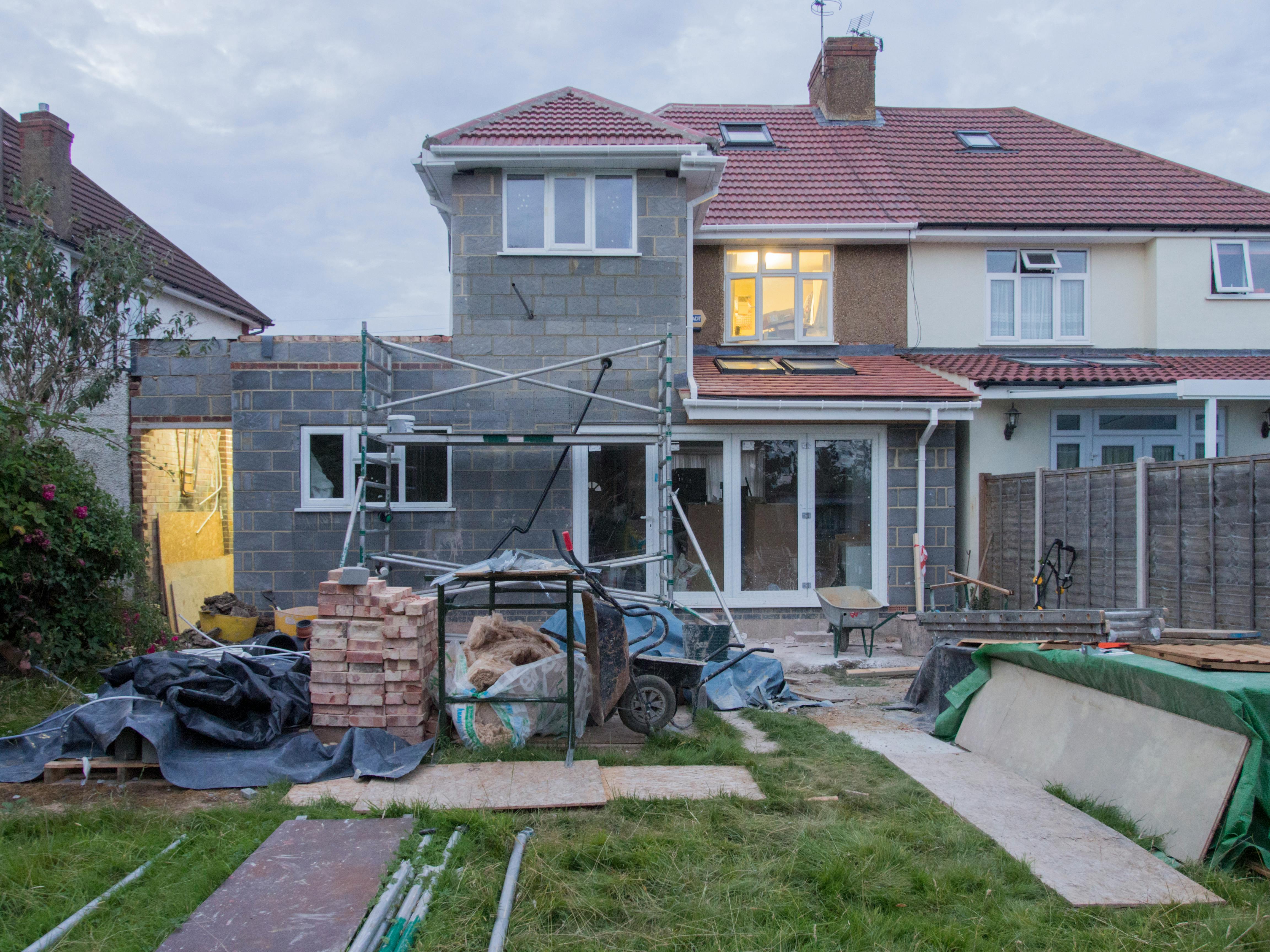
Considering a home extension in Lake Macquarie can be both an exciting and daunting prospect. The region’s unique coastal climate, local council regulations, and the desire to maintain a cohesive aesthetic make careful planning essential. By approaching the project with a clear strategy, homeowners can avoid common pitfalls, stay within budget, and create a space that adds lasting value and comfort. Below are expert-level tips that guide you through each stage of the process, from initial concept to final handover.
1. Define Your Goals and Budget Early
Clarity at the outset prevents scope creep and ensures that every decision aligns with the overall vision.
- Purpose identification: Determine whether the extension will serve as a family-friendly living area, a home office, or an entertainment hub.
- Space requirements: Sketch rough dimensions and consider future flexibility, can the new rooms adapt to changing needs?
- Financial planning: Establish a realistic budget that includes construction costs, permits, contingencies, and a modest reserve for unexpected expenses.
2. Understand Local Regulations and Permits
Lake Macquarie’s council has specific guidelines that affect design, height, setbacks, and environmental impact.
Key compliance points
- Development Application (DA) submission – required for most extensions over a certain size.
- Neighbourhood Character Overlay – ensures new structures complement the existing streetscape.
- Stormwater management – mandatory drainage plans to protect the local waterways.
Consulting the council’s planning portal early can streamline approvals and reduce costly revisions later on.
3. Choose the Right Design Approach
A well-thought-out design balances aesthetics with functionality while respecting the local environment.
- Architectural harmony: Match roof pitches, cladding, and colour palettes with the existing home to maintain visual continuity.
- Sustainable features: Incorporate passive solar design, high-performance glazing, and insulated walls to improve energy efficiency.
- Future-proofing: Plan for wiring conduits, plumbing chases, and flexible floor plans that can accommodate technology upgrades.
4. Select Qualified Professionals
Working with experienced tradespeople and consultants reduces risk and enhances project outcomes.
- Licensed builders with a proven track record in home extensions lake macquarie.
- Registered architects or designers familiar with local council requirements.
- Certified engineers for structural, civil, and mechanical aspects.
Request references, review past projects, and verify insurance before signing contracts.
5. Develop a Detailed Project Timeline
Time management is crucial to avoid delays that can increase costs.
- Pre-construction phase: 4-6 weeks for design finalisation, permit acquisition, and material procurement.
- Construction phase: Typical extensions of 150-250″?m?? take 12-20 weeks, depending on complexity.
- Post-construction phase: 2 weeks for final inspections, snagging, and handover documentation.
Include buffer periods for weather disruptions, especially during the rainy season.
6. Manage Materials and Sustainability
Choosing the right materials influences durability, maintenance, and environmental impact.
- Opt for locally sourced timber, brick, or concrete to reduce transportation emissions.
- Consider low-VOC paints and finishes for healthier indoor air quality.
- Integrate rainwater harvesting tanks and solar panels where feasible.
7. Communication and Documentation
Transparent communication keeps all parties aligned and provides a clear audit trail.
- Maintain a project folder, digital or physical, containing contracts, permits, drawings, and change orders.
- Schedule regular site meetings to review progress, address concerns, and adjust timelines if needed.
- Document any variations in writing, including cost implications and revised completion dates.
8. Final Inspection and Handover
Before moving into the new space, ensure every detail meets the agreed standards.
- Conduct a thorough snag list walk-through with the builder.
- Verify that all compliance certificates (e.g., occupancy, fire safety) are issued.
- Obtain warranties for structural work, roofing, and installed appliances.
Once cleared, enjoy the expanded living area knowing the project adhered to professional standards and local regulations.
Conclusion
Planning a home extension in Lake Macquarie demands a blend of strategic budgeting, regulatory awareness, thoughtful design, and reliable partnerships. By following these expert tips, defining clear objectives, securing proper permits, selecting skilled professionals, and maintaining rigorous documentation, homeowners can transform their vision into a functional, aesthetically pleasing addition that stands the test of time. The result is not only increased property value but also a living space that truly reflects the unique lifestyle of the Lake Macquarie community.
