
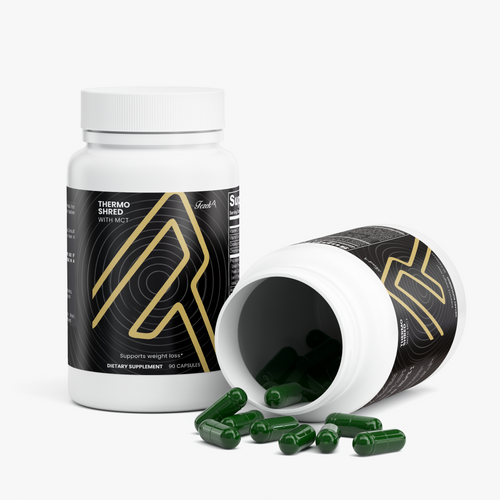
Building lean muscle is a multifaceted process that relies on more than just lifting weights. Nutrition, supplementation, recovery, and training methodology all intersect to create an environment where muscle fibers can grow stronger and more defined. Among the most researched and effective supplements for this purpose are high-quality protein and creatine. When used together, they complement each other’s mechanisms, supporting muscle protein synthesis, increasing cellular energy, and enhancing overall workout performance. This article explores how combining protein and creatine can accelerate lean-muscle gains, outlines practical implementation strategies, and offers evidence-based tips for maximizing results.
Why Protein Remains the Cornerstone of Muscle Growth
Protein provides the essential amino acids required for repairing and building new muscle tissue. Consuming adequate protein after resistance training stimulates muscle protein synthesis (MPS), the process that repairs micro-tears created during exercise.
Key Benefits of Optimized Protein Intake
- Complete Amino Acid Profile: High-quality sources such as whey, casein, or plant blends deliver all nine essential amino acids, especially leucine, which triggers MPS.
- Improved Recovery: Rapid delivery of amino acids reduces soreness and shortens the time needed before the next training session.
- Preservation of Lean Mass: During calorie deficits, protein helps protect muscle tissue from being broken down for energy.
For those seeking a reliable source of protein, many turn to reputable online retailers that specialize in sports nutrition. Discover expert strategies here. offers a curated selection of protein powders that meet stringent quality standards.
Creatine: The Cellular Energy Booster
Creatine monohydrate is one of the most extensively studied supplements in sports science. It works by increasing the phosphocreatine stores in muscle cells, which are used to rapidly regenerate ATP, the primary energy currency during short, intense bursts of activity.
Primary Advantages of Creatine Supplementation
- Enhanced Strength & Power: Users typically see a 5-15% increase in maximal strength after a loading phase.
- Greater Training Volume: More reps or sets can be performed before fatigue sets in, leading to a stronger stimulus for growth.
- Cellular Hydration: Creatine draws water into muscle fibers, creating a more anabolic environment.
When selecting a creatine product, it is important to choose a brand that emphasizes purity and third-party testing. Learn about our tailored solutions. provides detailed product information and lab results to ensure safety and efficacy.
Synergistic Effects of Combining Protein and Creatine
While each supplement offers distinct benefits, their combined use creates a synergistic effect that can accelerate lean-muscle development more efficiently than either alone.
How the Combination Works
- Concurrent MPS and Energy Supply: Protein supplies the building blocks for new tissue, while creatine ensures the energy needed for high-intensity work that drives that synthesis.
- Improved Training Quality: Better performance translates into greater mechanical tension, a key driver of hypertrophy.
- Enhanced Recovery: Faster ATP regeneration reduces post-exercise fatigue, allowing for more frequent training sessions.
For a practical guide on integrating these supplements into a daily routine, Explore advanced guides and tips. offers step-by-step plans tailored to different training goals.
Practical Implementation Strategies
To reap the full benefits, timing, dosage, and consistency matter. Below are evidence-based recommendations for most athletes.
Protein Timing & Dosage
- Consume 20-30″?g of high-quality protein within 30-60″?minutes post-workout.
- Maintain a total daily intake of 1.6-2.2″?g per kilogram of body weight, spread across 3-5 meals.
- Consider a slow-digesting source (e.g., casein) before bedtime to sustain MPS overnight.
Creatine Loading & Maintenance
- Loading phase: 0.3″?g/kg body weight per day (???20″?g for an 70″?kg individual) divided into 4 doses for 5-7 days.
- Maintenance phase: 3-5″?g per day, taken at any time, many prefer post-workout with protein for convenience.
- Stay well-hydrated; aim for at least 3″?L of water daily to support cellular water retention.
For a ready-to-use supplement stack, Find out more about this approach. includes bundled options that simplify dosing and ensure product compatibility.
Monitoring Progress and Adjustments
Supplements are tools, not magic bullets. Tracking strength gains, body composition, and subjective recovery cues will indicate whether the protocol is effective.
- Strength Metrics: Record weekly 1-RM or rep maxes for core lifts.
- Body Composition: Use skinfold calipers, bioelectrical impedance, or DEXA scans quarterly.
- Recovery Scores: Rate perceived muscle soreness and energy levels on a 1-10 scale.
Adjust protein portions if lean mass gains plateau, and consider a short creatine “washout” (2-4 weeks) if performance stalls, then restart the maintenance dose.
Conclusion
Integrating high-quality protein with creatine creates a powerful, evidence-backed strategy for building lean muscle. By supplying the necessary amino acids for tissue repair and ensuring ample cellular energy for intense training, this combination addresses both the construction and the execution phases of hypertrophy. Consistency, proper dosing, and regular performance tracking are essential to maximize results. For those ready to implement a scientifically grounded regimen, reputable sources such as Explore advanced guides and tips. provide the resources needed to succeed.
